Florida Keys Dive Sites
Wrecks, walls, and reef systems among the best in North America. The Florida Keys National Marine Sanctuary protects over 2,900 square nautical miles of ocean and FKDC takes you to the best of it.
Water Temp
Winter low · Summer high
Depth Range
Reef to deep wreck
Distance from Dock
Three Waters Marina · MM 84.5
Season
365 days a year
One of the Best Reef Systems in the U.S.
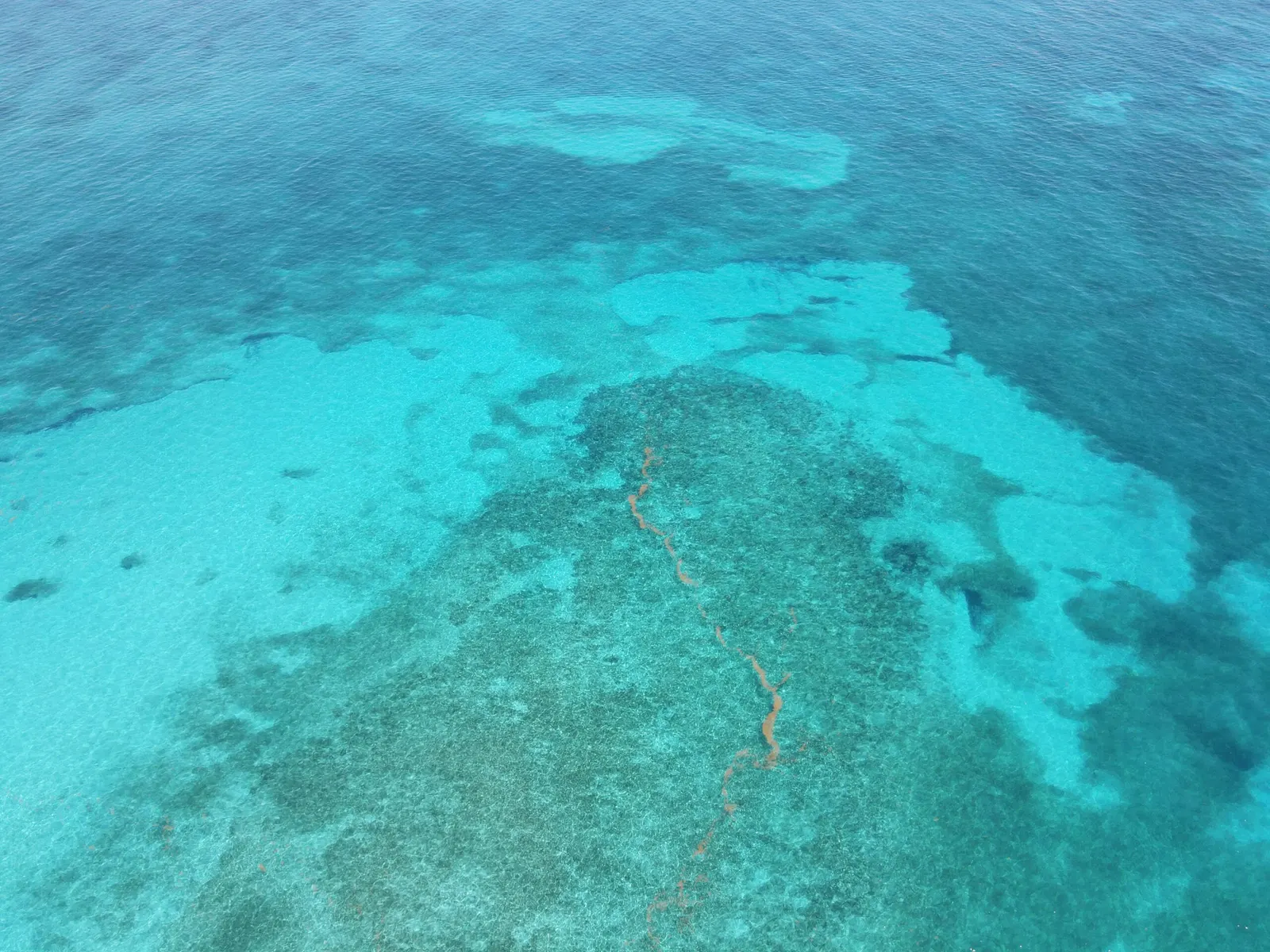
The Florida Keys sits on the third-largest barrier reef system in the world. Islamorada's section of the reef offers everything: shallow patch reefs teeming with tropicals, dramatic walls dropping to 100 feet, and deliberate shipwrecks purpose-sunk to create some of the most spectacular artificial reef diving anywhere.
All FKDC charter sites are selected on the day based on conditions, current, and group certification levels. Our guides dive these sites every single day — nobody knows them better.
Purpose-Sunk Wrecks
Both the Eagle and the Duane were deliberately sunk as artificial reefs — cleaned, prepped, and placed in ideal diving conditions. They've had decades to develop into mature reef ecosystems.
Florida Keys National Marine Sanctuary
The sanctuary protects 2,900 square nautical miles surrounding the Keys. FKDC operates as a NOAA Blue Star Operator; every dive follows strict no-touch, no-anchor protocols.
All Sites Within 20 Minutes
From Three Waters Marina at MM 84.5, every dive site FKDC visits is reachable in under 20 minutes. More time underwater, less time on the boat.
Where We Dive
The Eagle
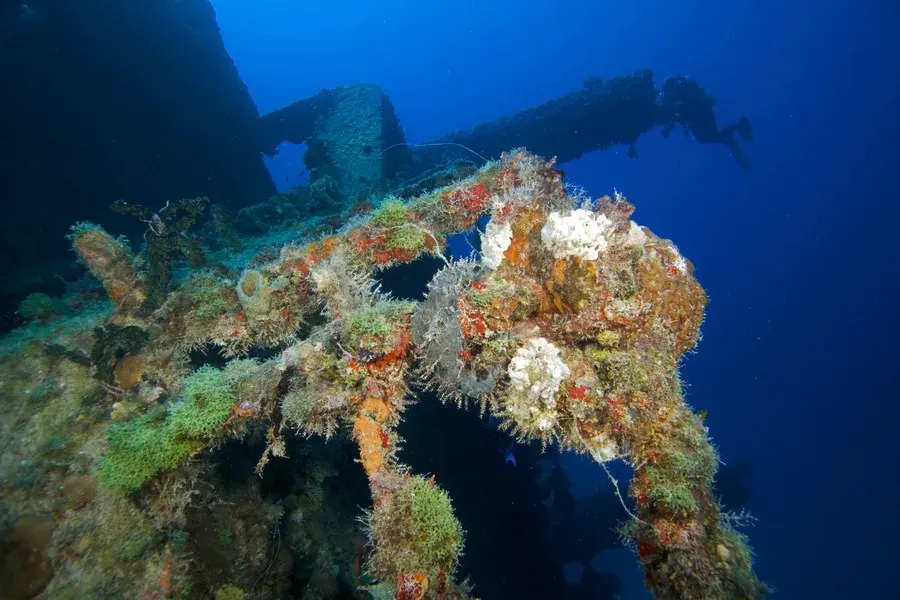
The Eagle is the benchmark wreck dive in the Florida Keys — a 269-foot freighter resting at 70 to 110 feet, split dramatically in half by Hurricane Georges and now home to goliath grouper, tarpon, bull sharks, and one of the densest concentrations of marine life on any wreck in the Keys.
Type
Wreck
Depth
70–110 ft
Length
269-foot freighter
Sunk
1985
Alexander Barge
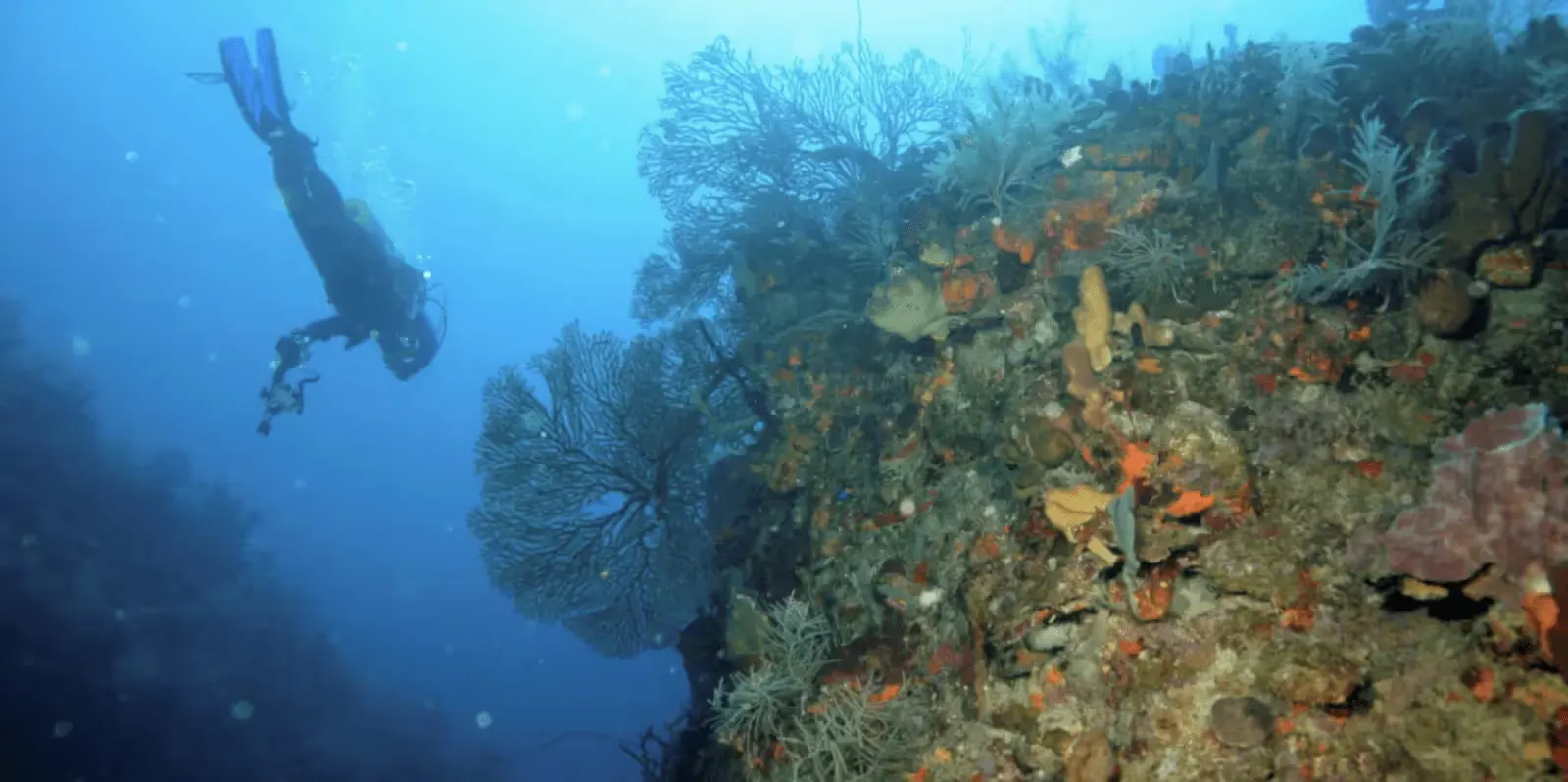
Sunk in 1984 as the first artificial reef in the Florida Keys program, the Alexander Barge sits at 100 feet surrounded by bridge rubble — a rewarding dive packed with Goliath Grouper, Turtles, Sharks, and reef fish in numbers that justify its reputation.
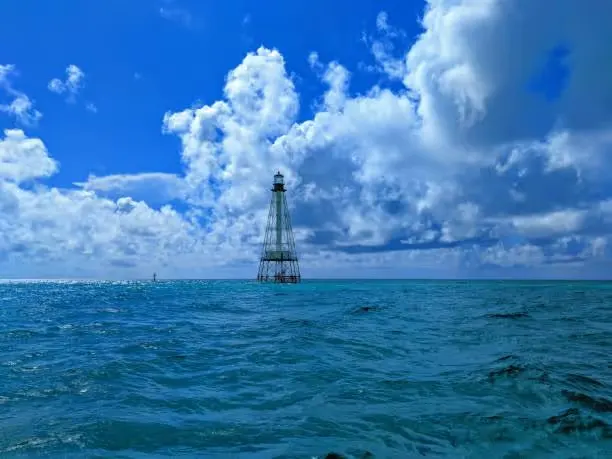
Alligator Reef
One of the most recognizable dive sites in the Florida Keys. A shallow, protected reef marked by the historic 136-foot Alligator Reef Lighthouse and teeming with marine life across depths of 10 to 25 feet. Accessible to divers and snorkelers alike.
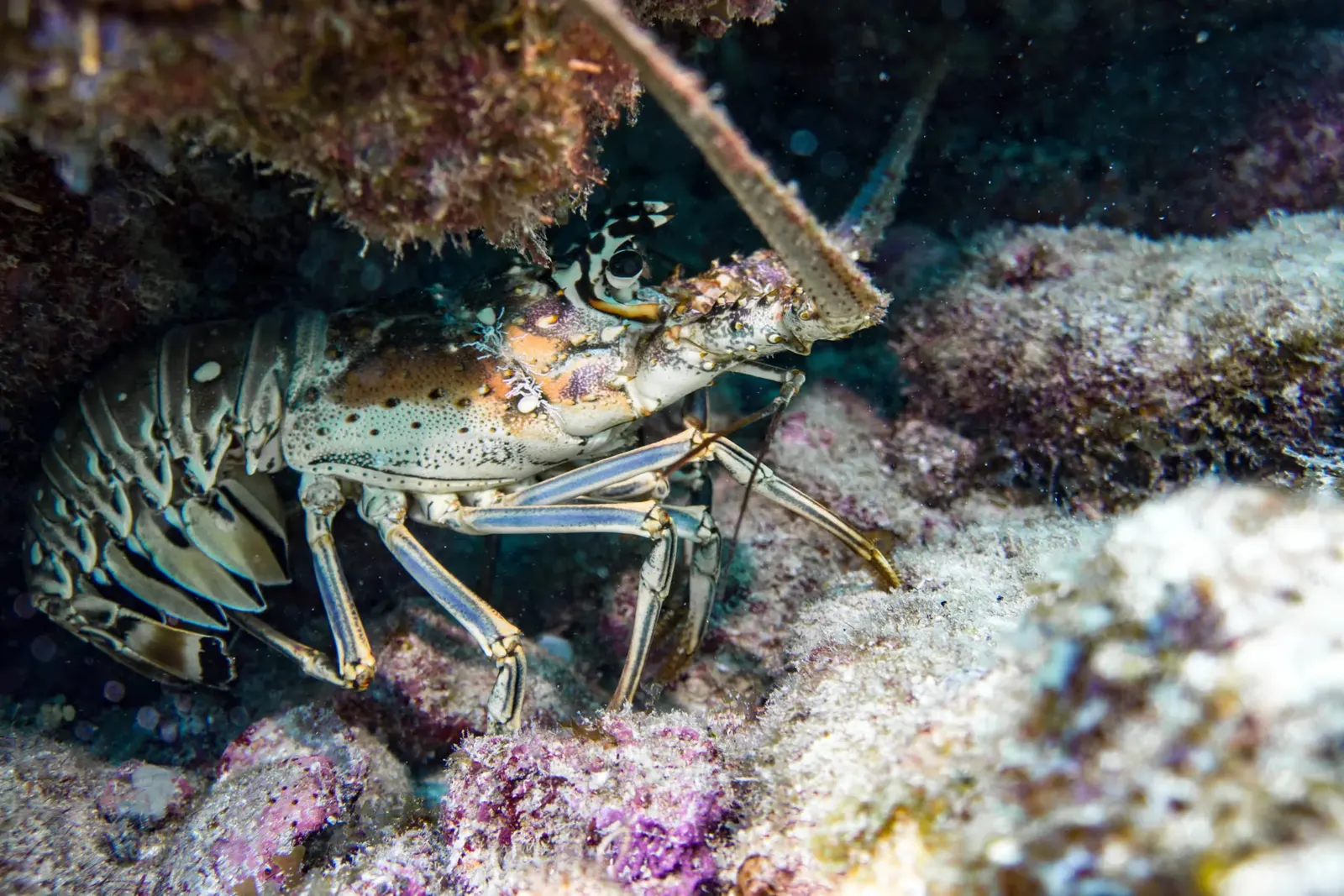
Aquarium
Aquarium is one of the more unusual reef layouts in Islamorada. Two separate patch reefs at 25 feet, with the sand flat between them creating natural channels and crevices that Spiny Lobster favor heavily during season. Good fish life year-round, exceptional lobster hunting when the season opens.
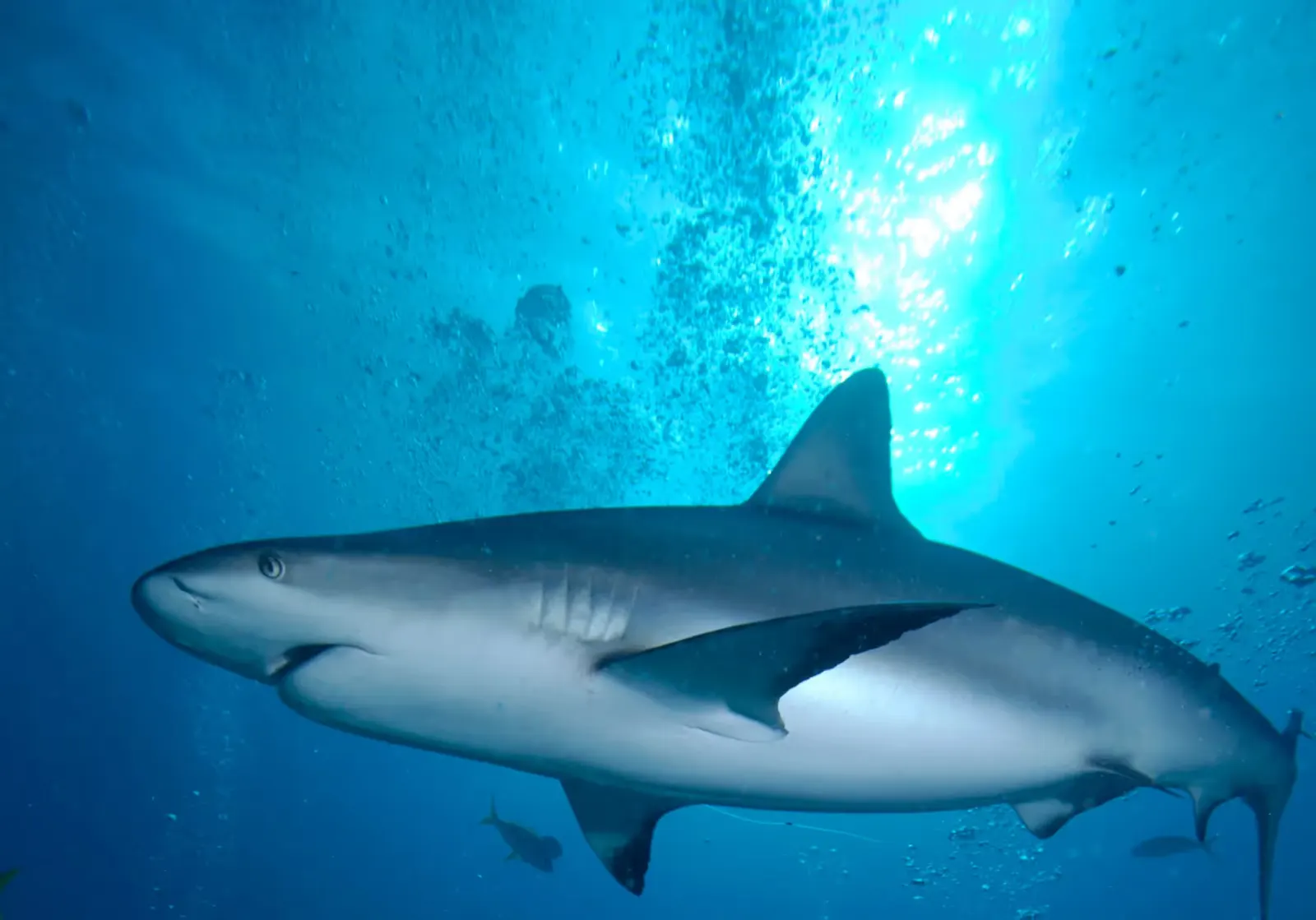
Bully
A wall reef running 40 to 90 feet, named for the Bull Sharks that have made it a regular stop. Sightings aren't guaranteed but when a Bull Shark moves through this wall, it's a moment worth every dive that didn't produce one.
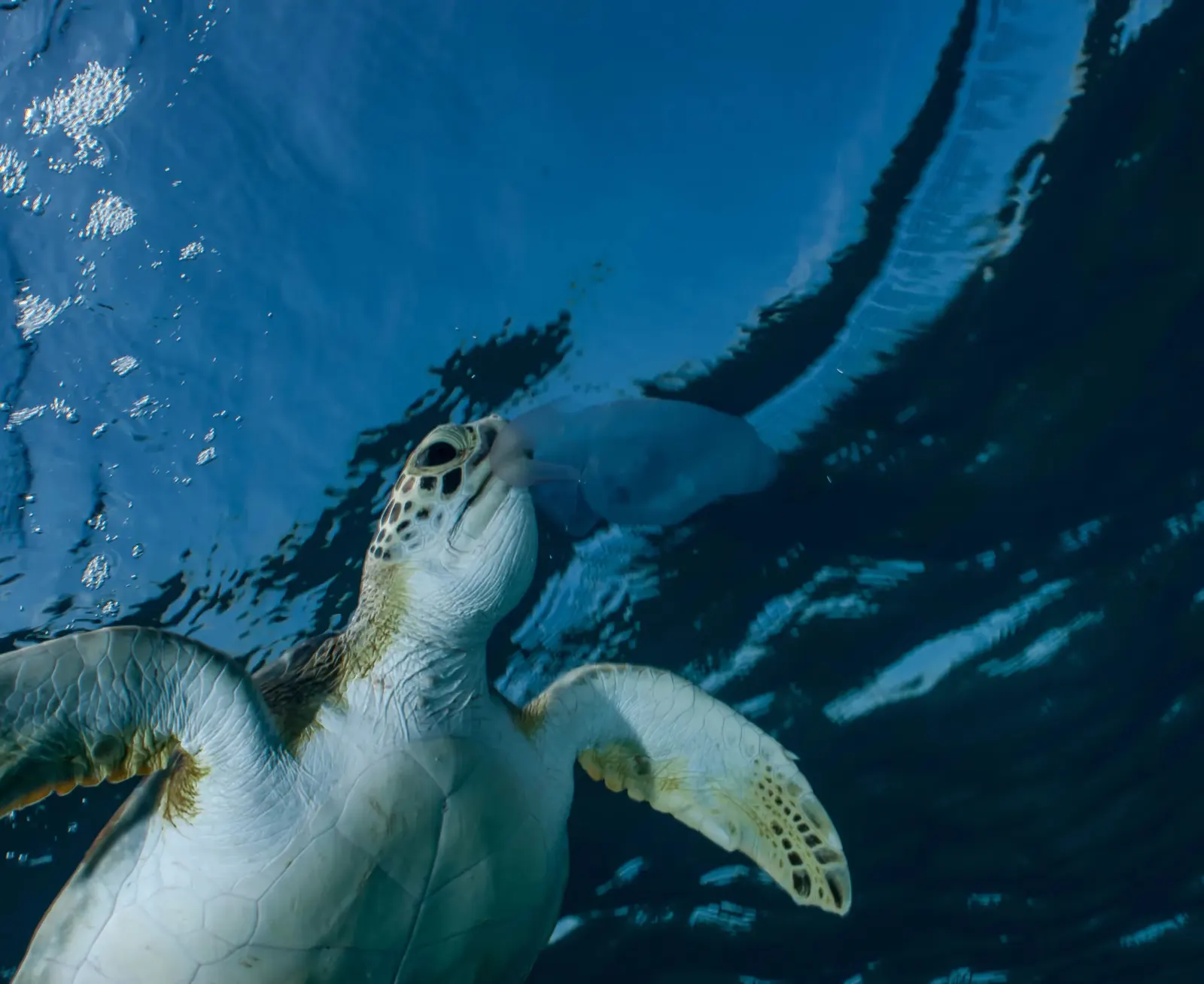
Captain Grumpy
A 25-foot patch reef set in sea grass flats, known for consistent Nurse Shark sightings, excellent Sea Turtle habitat in the surrounding grass, and an unusually varied Moray Eel population — Green, Spotted, Goldentail, and Viper all call this reef home.
Crater
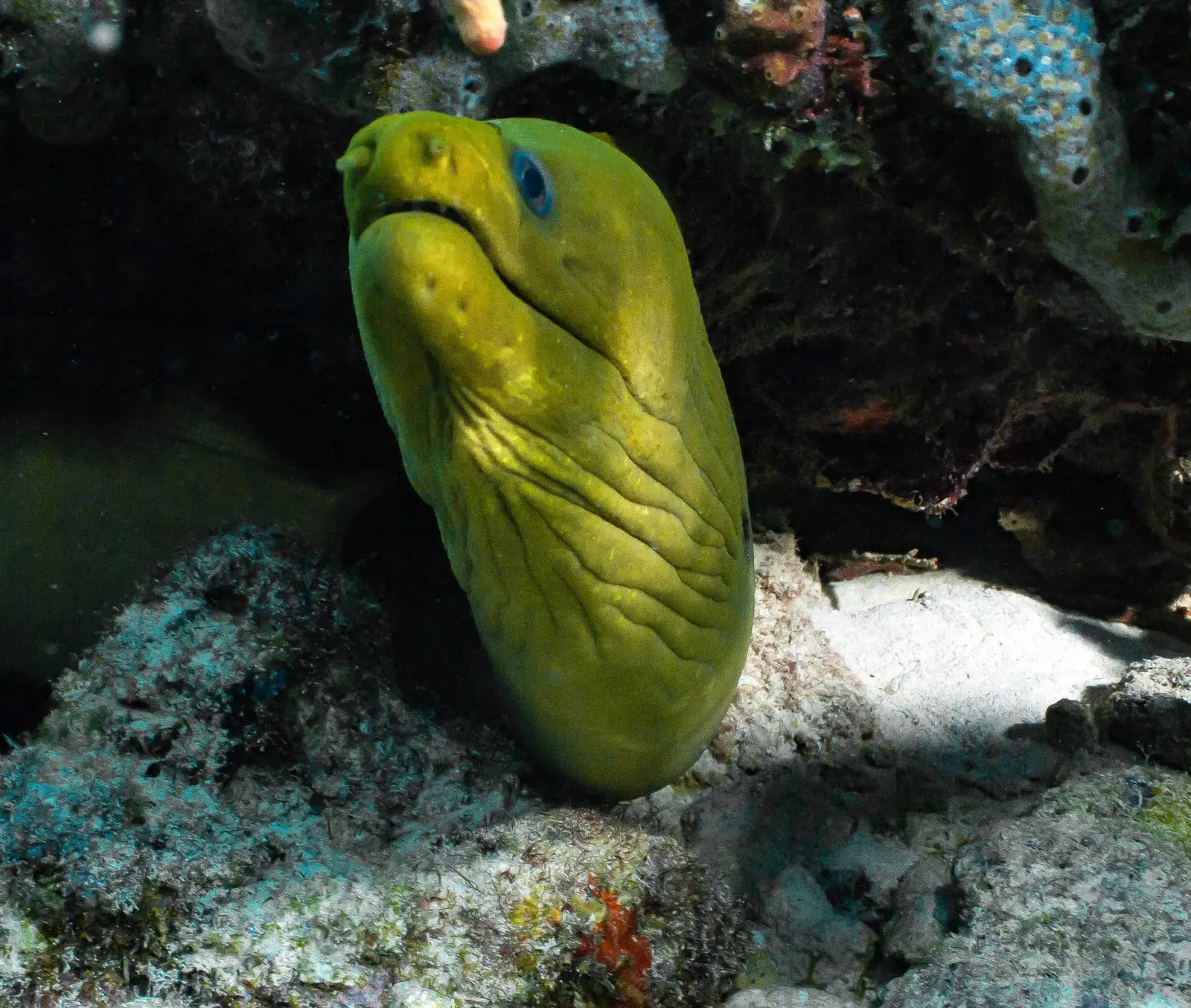
A coral ledge reef running 35 to 60 feet, defined by a large crater-like sand depression at its center. The sand hole draws rays, Nurse Sharks, and larger critters and gives the site an unusual, easily navigable layout that sets it apart from a typical Keys patch reef.
Crocker Wall
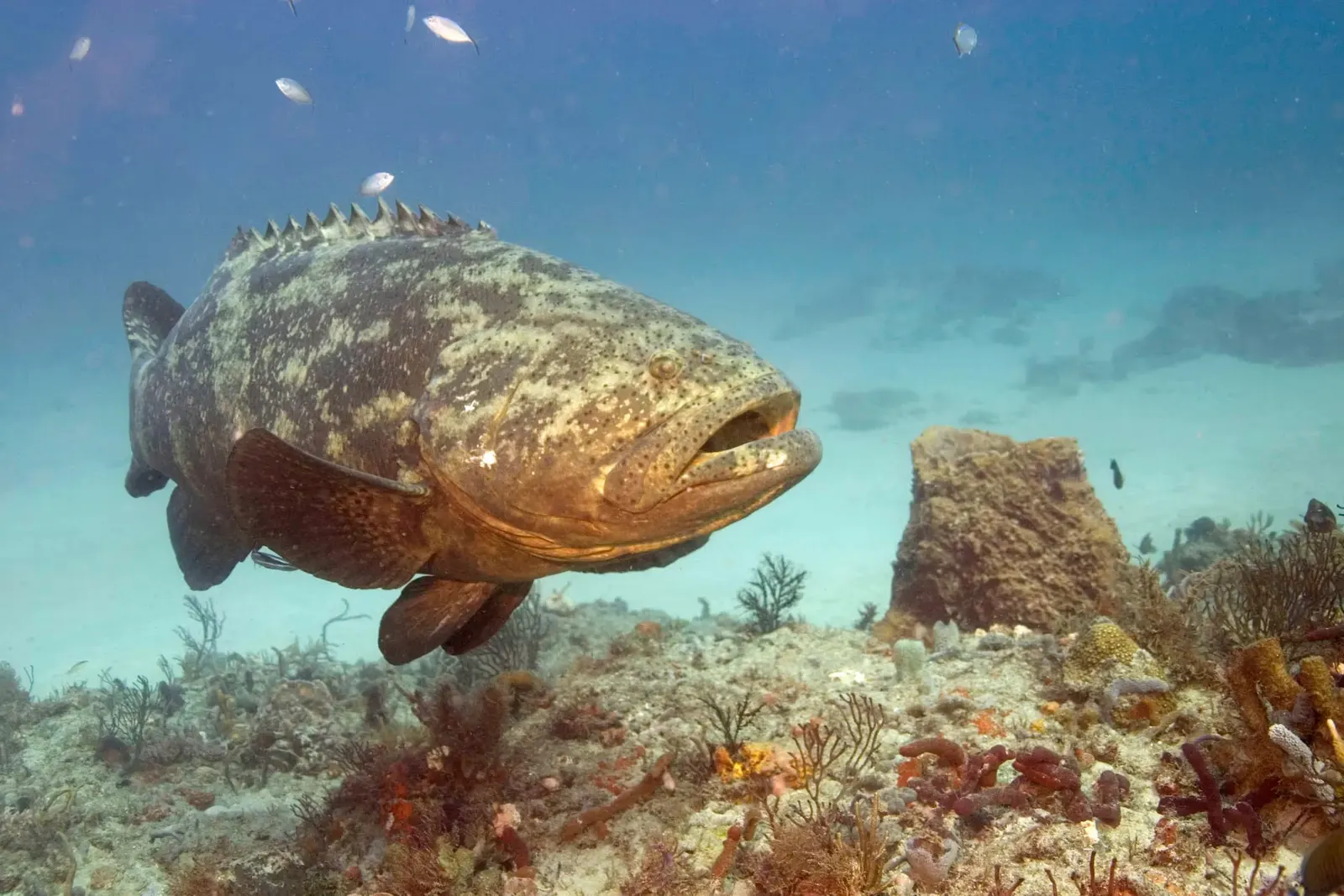
Crocker Wall runs along the south end of Crocker Reef. A spur-and-groove sea slope stretching more than 400 feet, descending from 30 feet at the mounding coral heads down to nearly 80 feet at the base. Barrel Sponges, Sea Turtles, Spotted Eagle Rays, Green Morays, and large fish are consistent throughout the dive.
Davey Crocker Reef
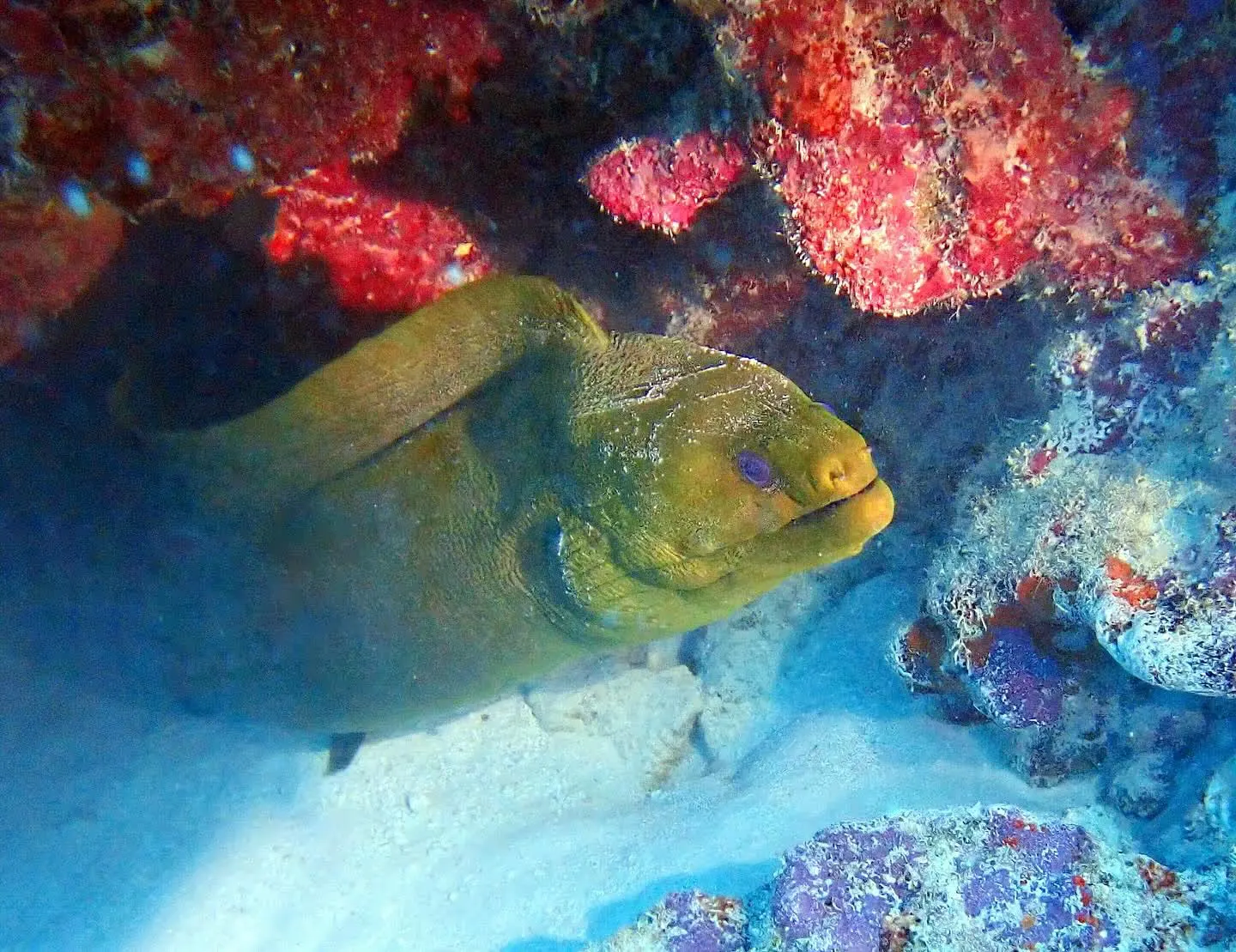
One of the most fish-dense reefs in the Florida Keys. Nurse sharks rest under ledges, schools swirl overhead, and green morays peek from crevices all in 20 feet of crystal-clear water.
Davis Reef
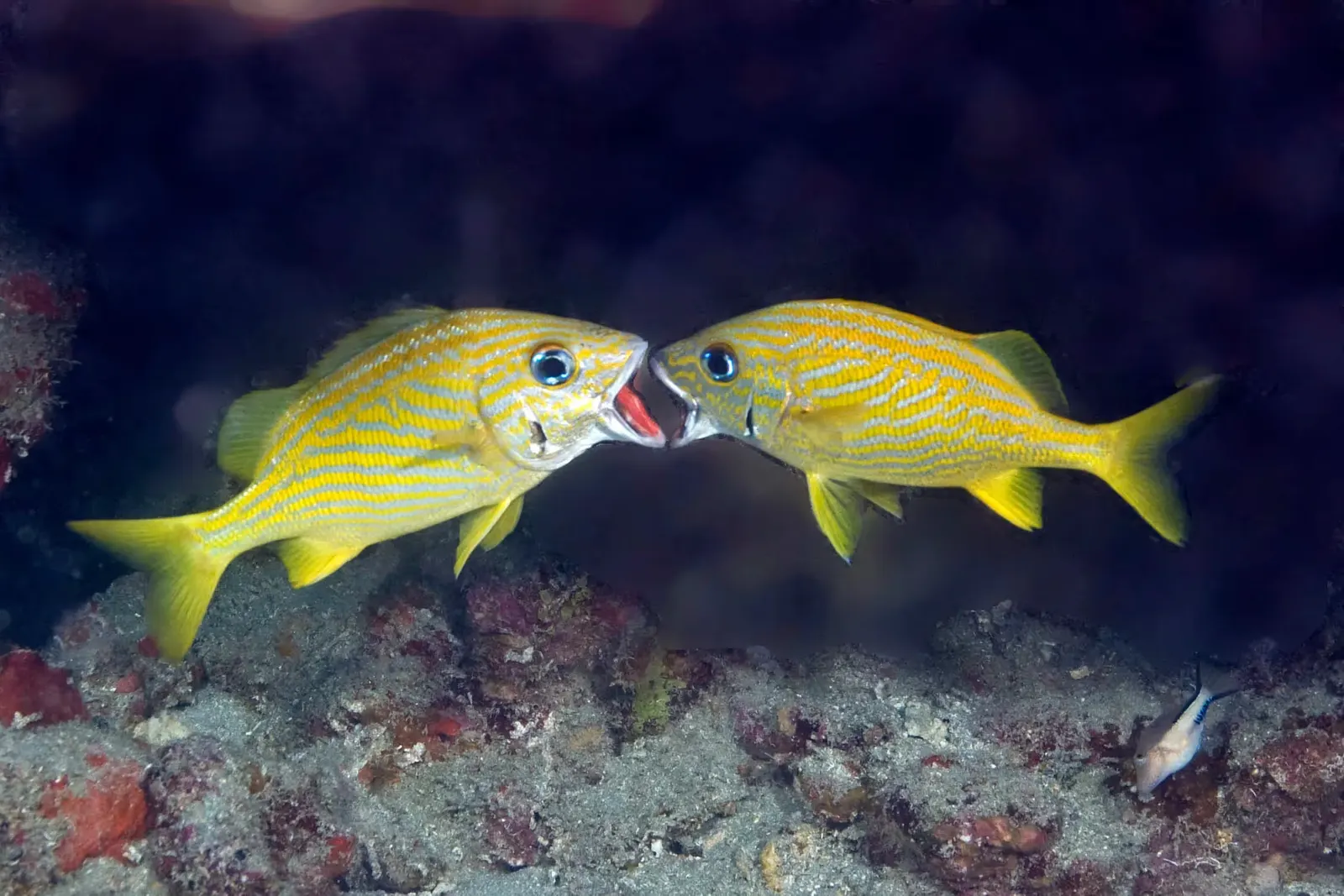
Davis Reef is one of only a handful of Florida Keys reefs formally protected as a Sanctuary Preservation Area, designated specifically to safeguard its exceptional gorgonians. At 15 to 30 feet, it's accessible to all levels, offers some of the richest soft coral diving in the Upper Keys, and comes with one of the more unusual dive site traditions in Islamorada: rubbing Buddha's Belly for luck.
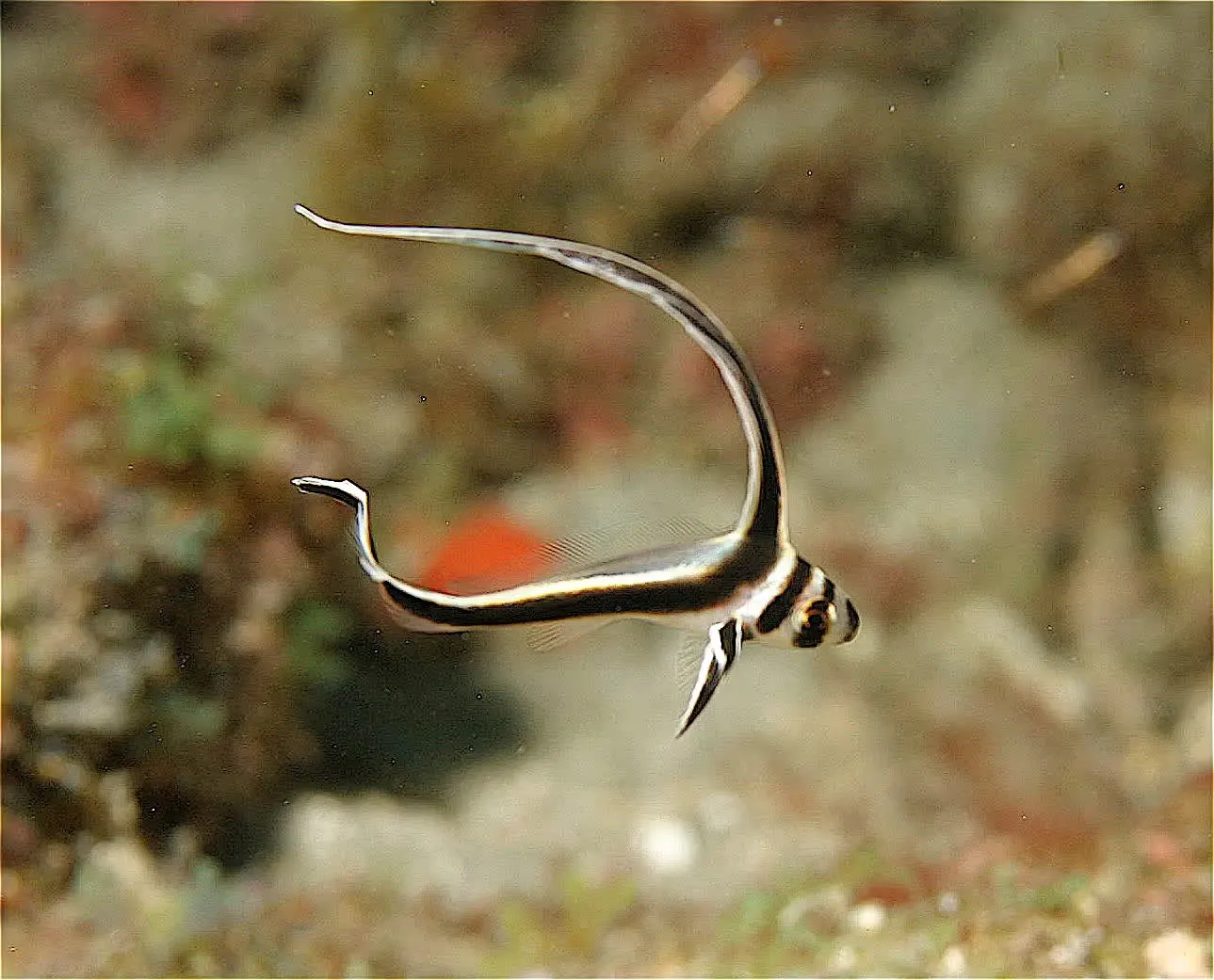
Ham
Ham is a compact patch reef at 25 to 35 feet with a porous, swiss cheese-like coral structure that creates more hiding spots per square foot than almost any site FKDC visits. Dense schools of Grunts and Goatfish fill the water column, juvenile fish pack every crevice, and the outer ledge undercuts are reliably stocked with Nurse Sharks and Eels.
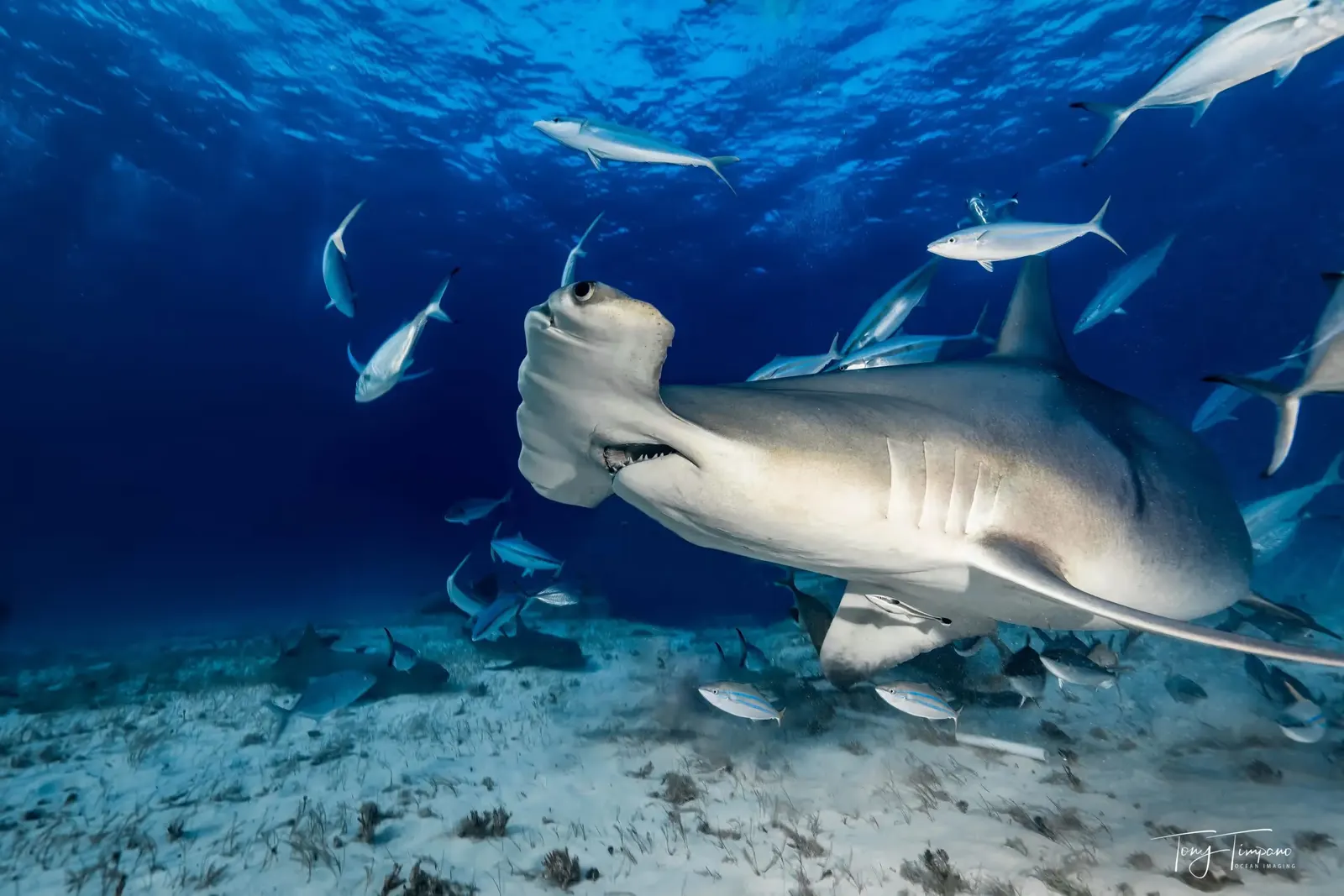
Hammerhead
Hammerhead is a deep ledge reef at 60 feet named for the shark sightings that have made it one of FKDC's more talked-about sites. Shark activity is not guaranteed but the ledge structure, resident marine life, and depth make it a rewarding dive whether the big visitors show up or not.
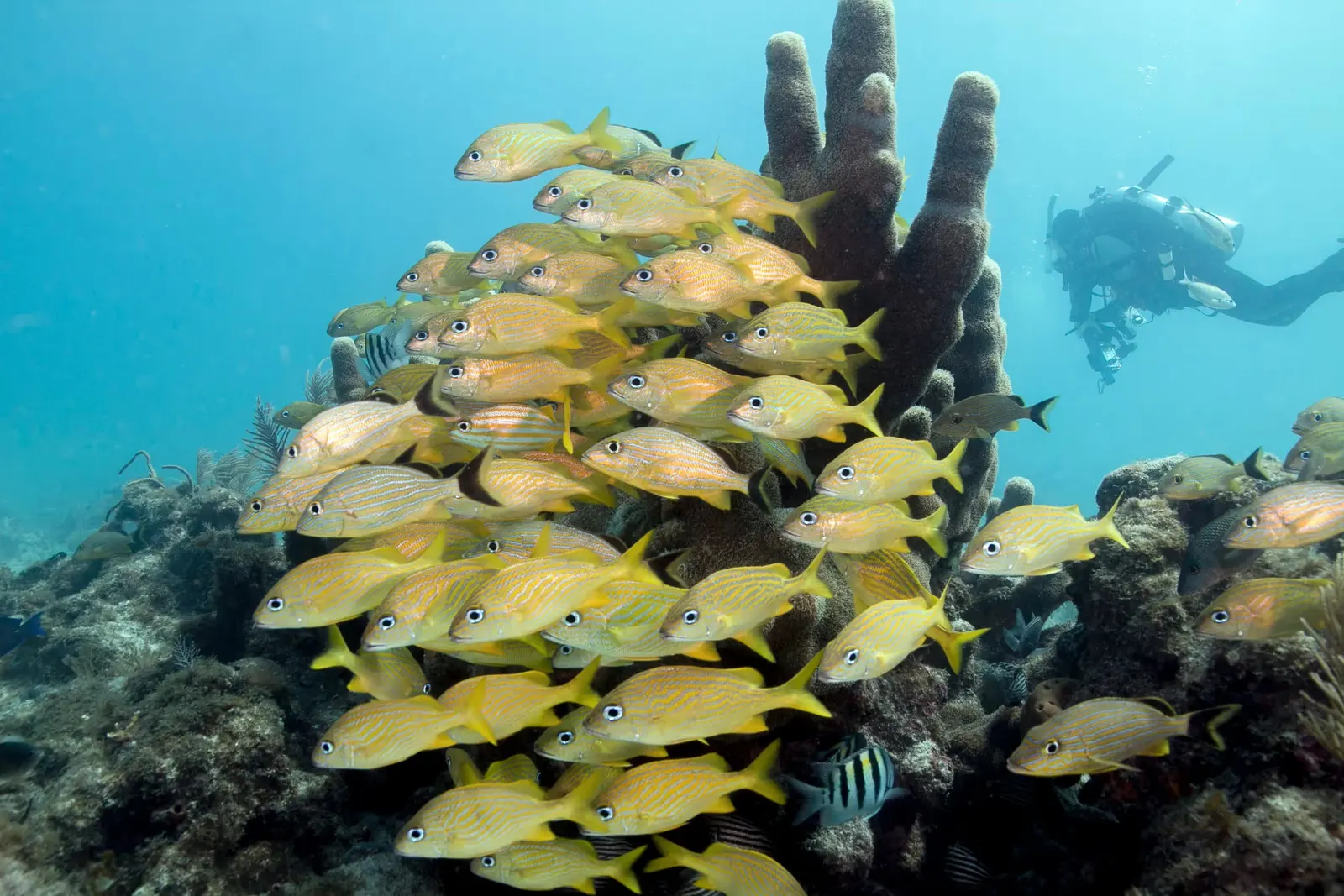
Hens and Chickens
Hens and Chickens is a 106-acre Sanctuary Preservation Area off Plantation Key. A shallow reef of clustered coral formations with brain and star coral mounds reaching up to 15 feet in height, a dense forest of purple sea fans, and the kind of structural complexity that makes a 10 to 20 foot dive feel far bigger than it should.
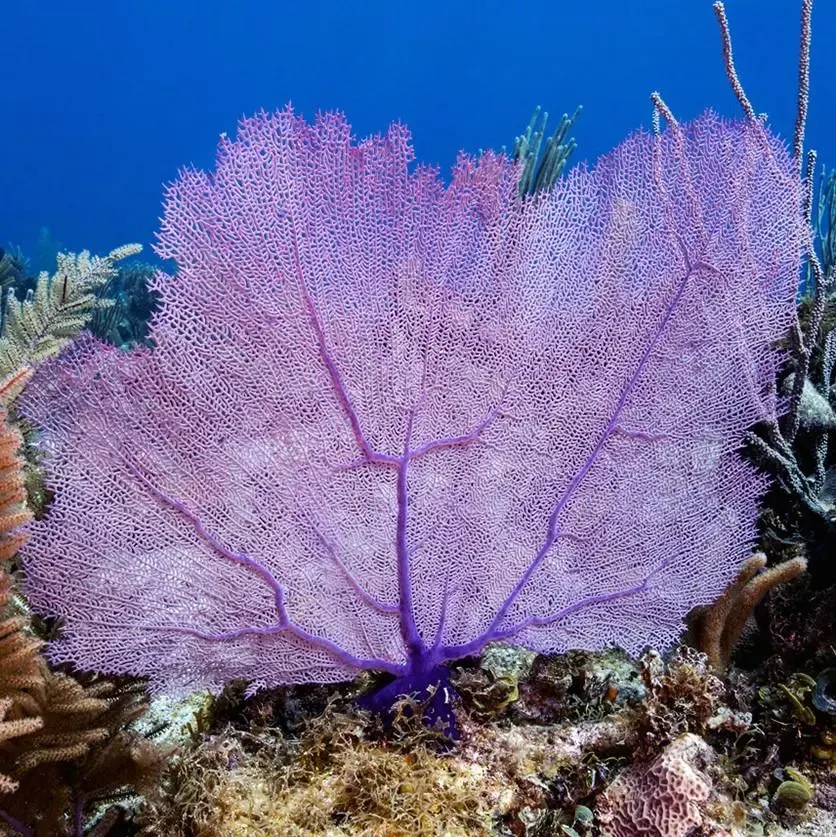
Morada
Named for the color it earns — "morada" means purple in Spanish. This 15-foot patch reef is blanketed in purple sea fans and gorgonians, with Bonnethead Sharks in residence for most of the year. Accessible to divers and snorkelers alike.
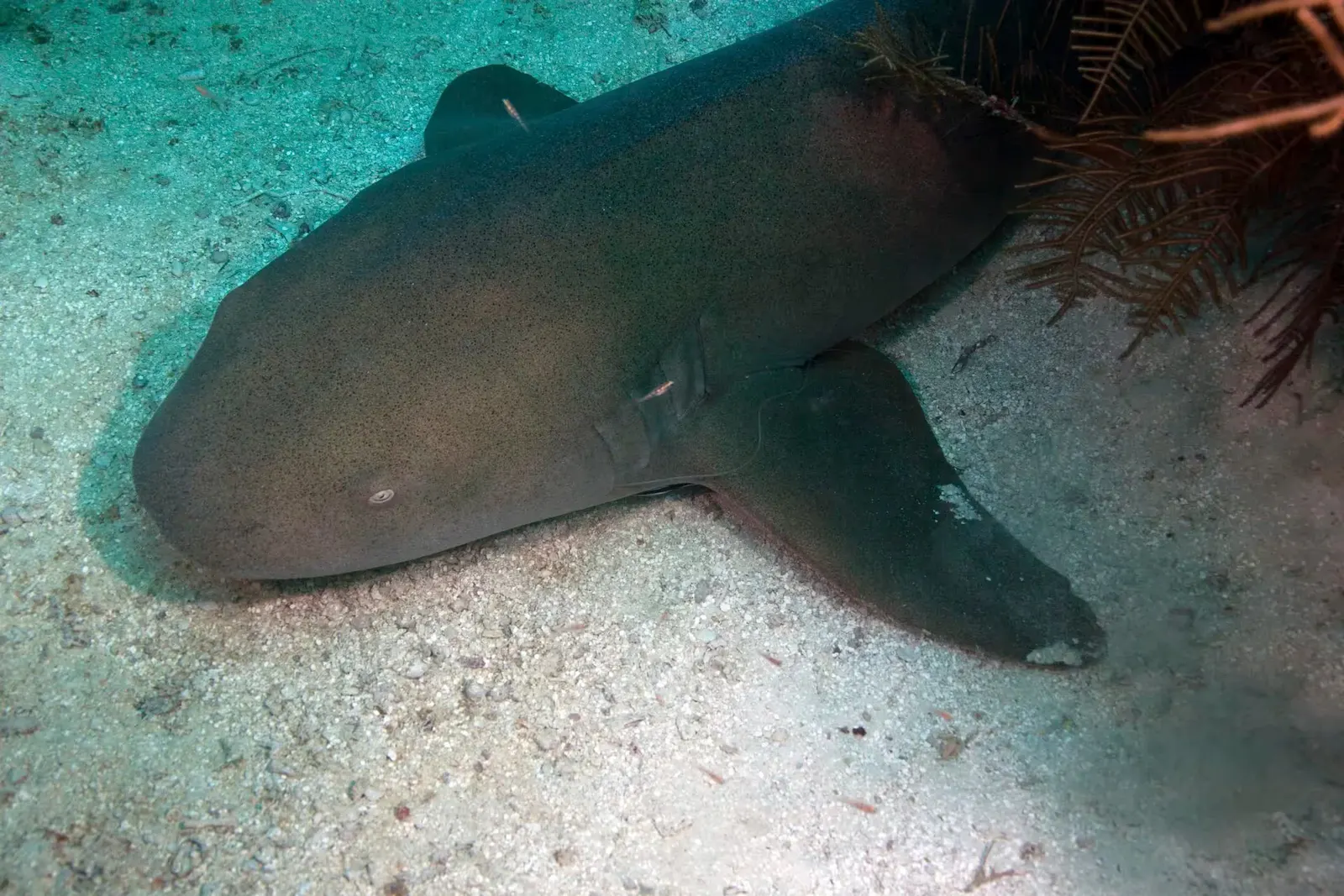
Nurse Shark City
A shallow patch reef that lives up to its name. Nurse Sharks rest under the coral ledges and cruise the sandy bottom in numbers you don't see at most sites. They're calm, unhurried, and completely comfortable with divers.
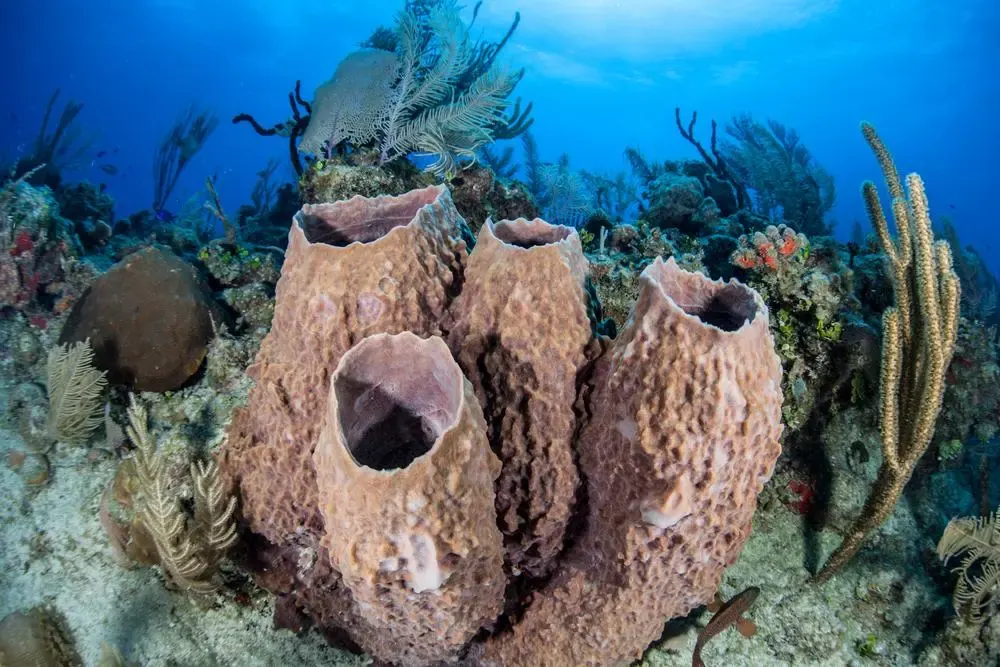
Rocky Top
Large coral heads, purple gorgonians, resident sea turtles, and schools of fish so dense they block out the light, Rocky Top earns its reputation as one of the most life-packed reefs in Islamorada.
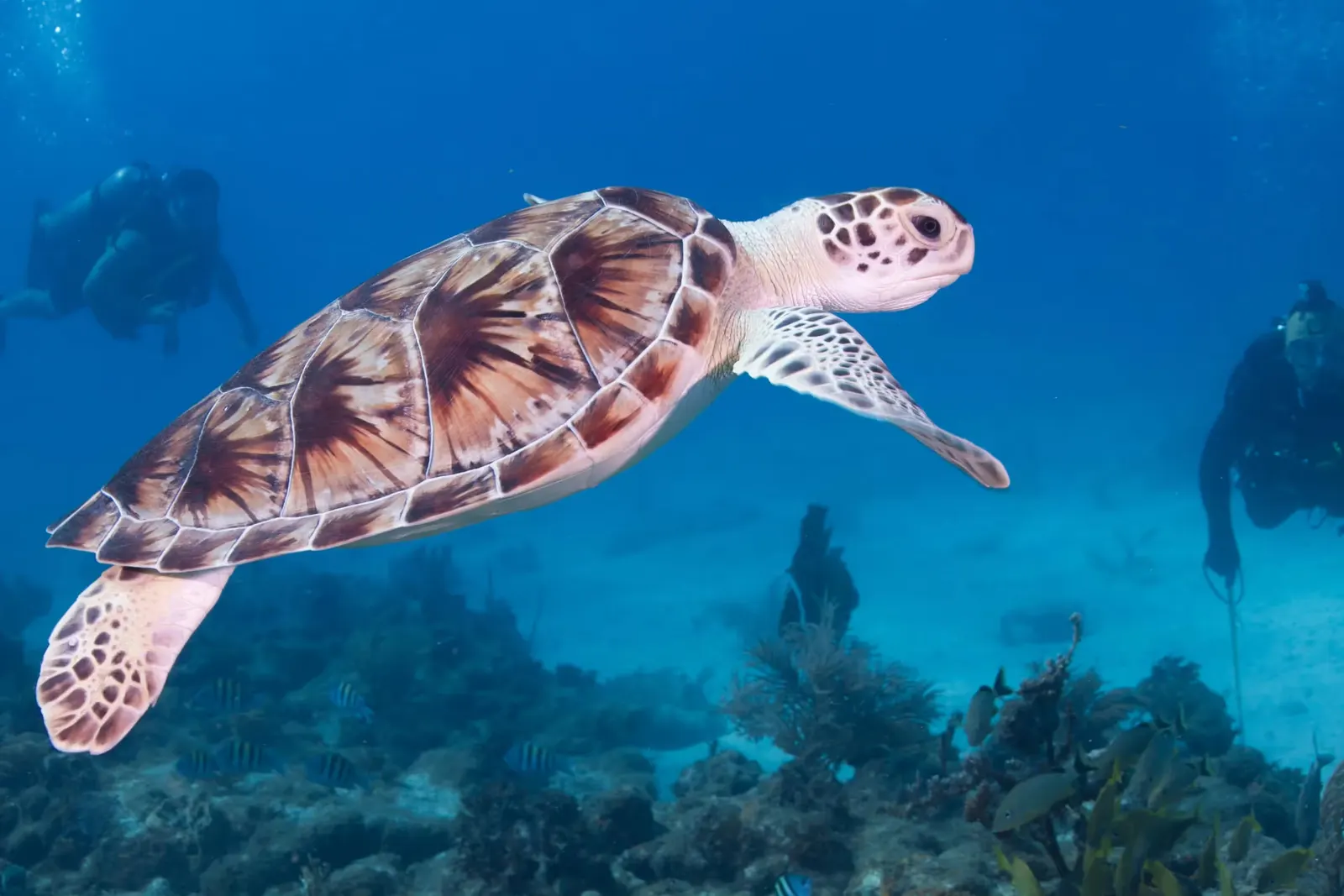
Runway
A wide reef running 30 to 90 feet with a defining sand channel that runs its entire length — visible from above like an actual runway. Popular with fishermen for the same bottom contours that make it productive for divers. Also FKDC's regular reef cleanup site, where the crew pulls abandoned anchors, fishing line, and debris from the bottom.
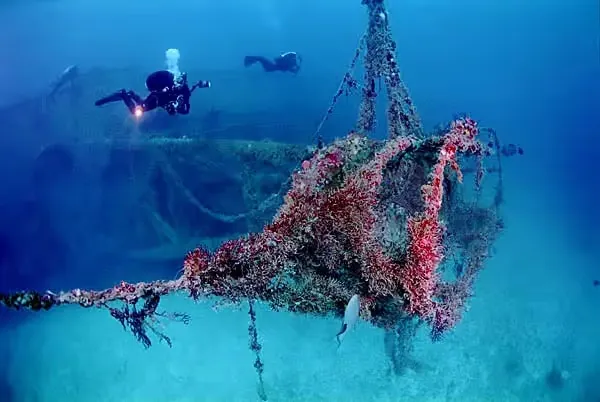
The Bibb
The USCGC Bibb is a 327-foot Treasury-class cutter resting on her starboard side at 105 to 130 feet — the sister ship to the Duane, sunk the very next day, just half a mile away. Less visited than her upright neighbor, better preserved for it, and a genuine bucket-list dive for advanced divers who make the effort.
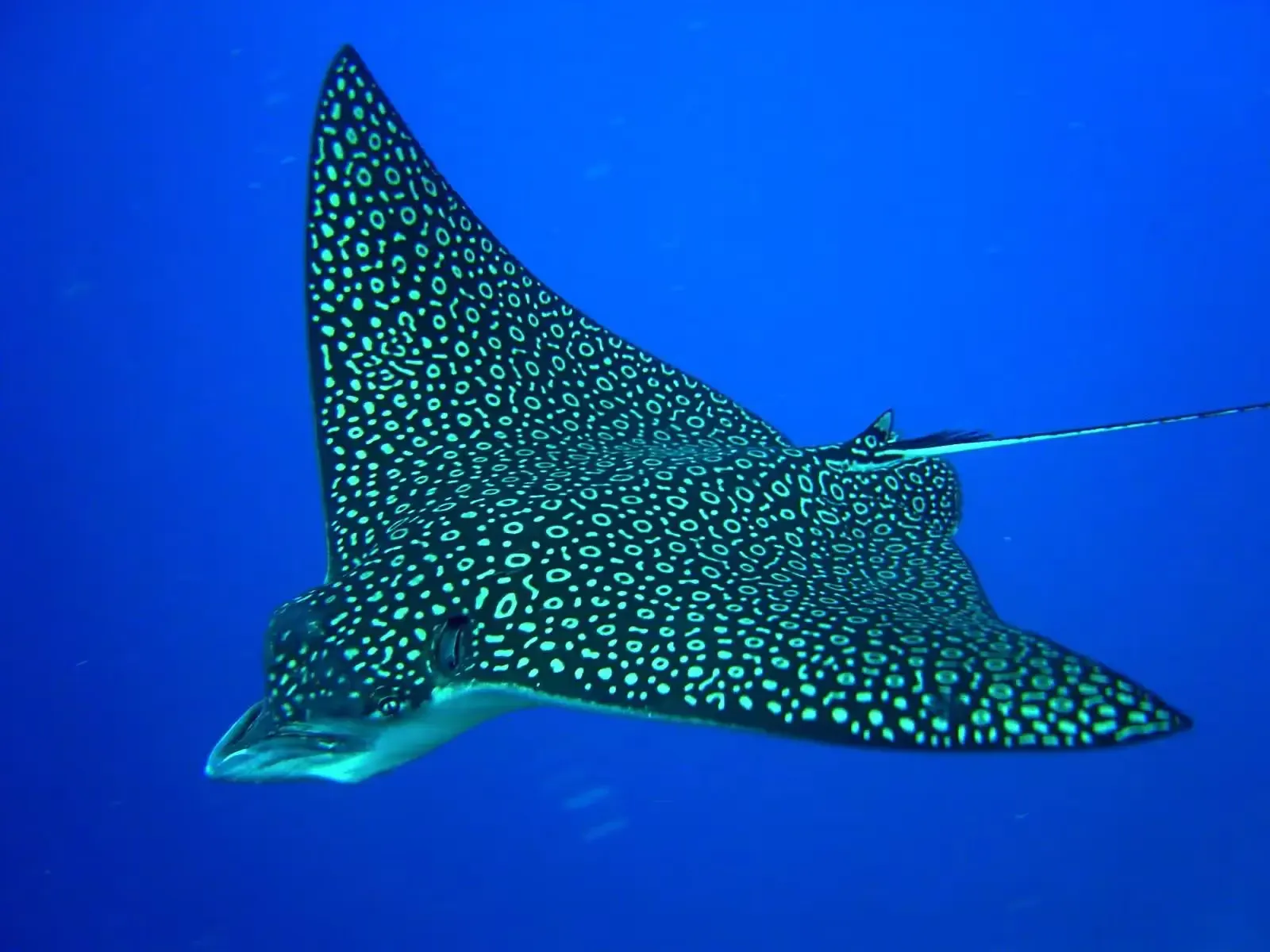
The Drop
A wall reef dropping from 50 to 90 feet with strong coral structure and open water visibility. The site is known for Spotted Eagle Rays moving through the water column — keep your eyes peeled on the blue as you descend.
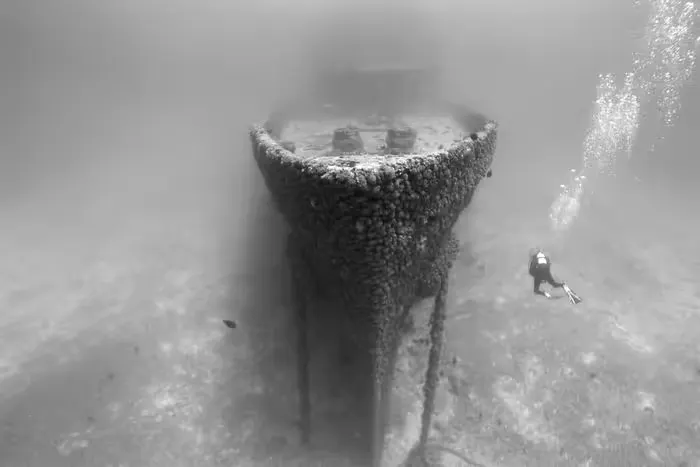
The Duane
The USCGC Duane is a 327-foot Treasury-class Coast Guard cutter resting perfectly upright at 120 feet — a decorated WWII veteran, listed on the National Register of Historic Places, and consistently ranked among the finest advanced wreck dives in the Florida Keys. The crow's nest and radar tower start at 60 feet. The deck sits at 100. The seafloor is at 120.
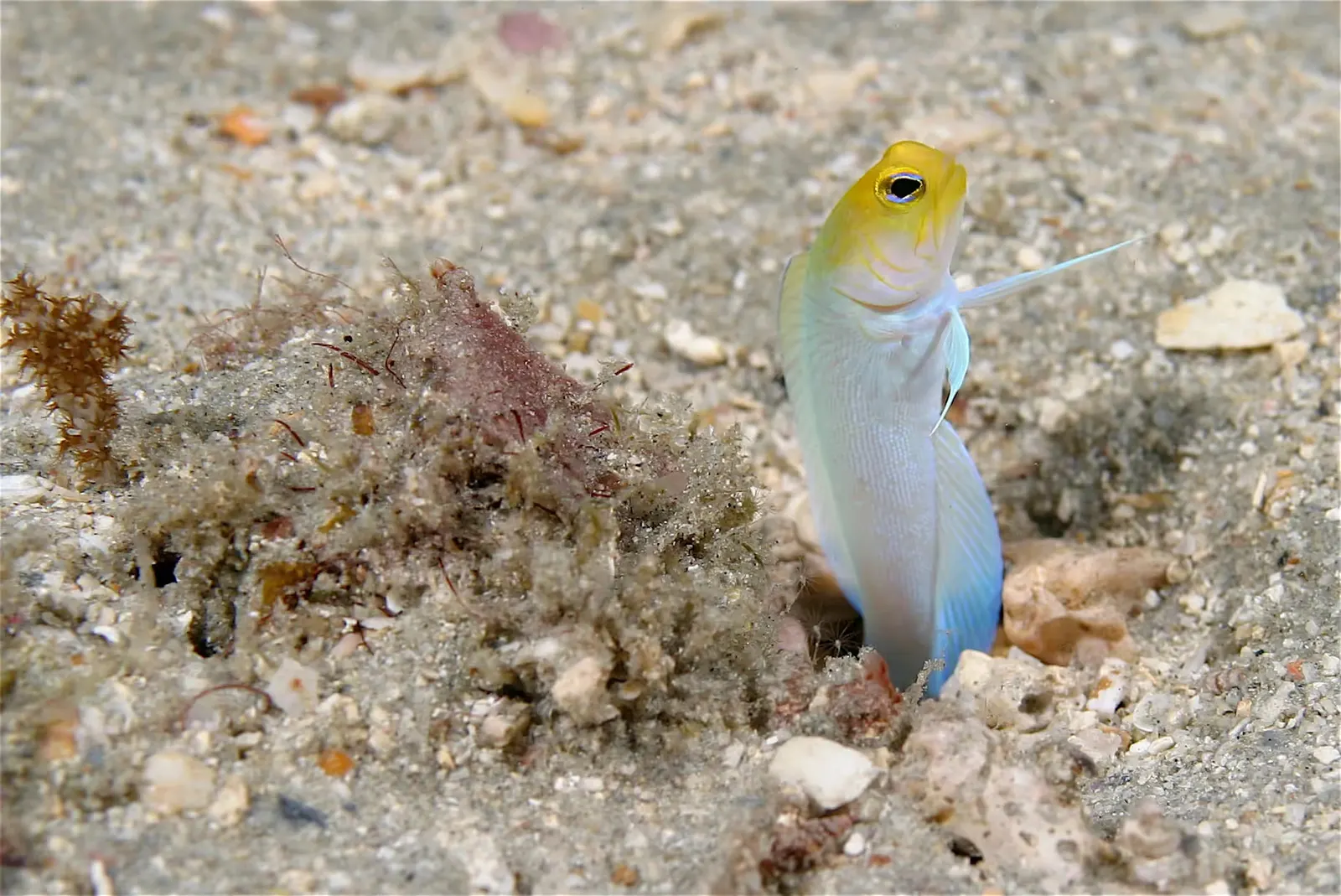
The Fingers
A large spur-and-groove reef shaped precisely like a hand with wide sand channels separating tall coral fingers running from 35 to 75 feet. One of FKDC's most varied dives, with Spotted Eagle Rays and Dolphins in the blue water and Yellowheaded Jawfish hidden in the sand below.
Victory Reef
Victory Reef is a crew favorite for good reason. A 40 to 90 foot spur-and-groove wall reef 5 miles offshore, defined by a V-shaped coral structure with very large, distinct spurs, deep cannon-like grooves, and a wide central sand channel that channels sharks, rays, and hogfish between the walls.
Book Your Dive Charter Online.
Morning and afternoon departures daily from Three Waters Marina. All dive sites are guide-selected on the day based on conditions — you're always going to the best spot available.